
Okay, so check this out—risk in Web3 is messier than the charts make it look. Whoa! I got into crypto because the upside felt real. Seriously? Yes. And my instinct said that tools, not vibes, would decide whether you kept your funds or didn’t. Initially I thought “security modes” were a checkbox, but then realized they’re a living thing that shifts with every new chain, new bridge, and new token listing.
Here’s the thing. DeFi isn’t just about smart contracts. It’s an ecosystem of interfaces, relayers, bridges, wallets, and user habits. Hmm… some of those pieces are built solidly. Some are duct-taped. Shortcuts live everywhere. So when you evaluate a multi-chain wallet or a transaction flow, you need to read more than code: read UX, incentives, and failure modes too.
First rule: threat modeling beats wishful thinking. My quick checklist starts with these five questions: who controls the execution path, who can update the code, what third parties are involved, how are assets isolated, and how fast can you detect and recover from compromise. Simple, but powerful. Wow!
Let me walk you through a recent thought experiment I ran while testing a popular multi-chain wallet. I clicked a “swap” that looked harmless. It asked for multiple approvals. Hmm… I paused. Something felt off about the approval flow. On one hand, many DEX aggregators request allowances to streamline slippage handling; on the other hand, overbroad approvals give anyone with the contract key access to your token balance. Initially I thought full-permit approvals were just friction reduction, but then I realized they can be monetized by malicious contracts.
Short permissions are safer. Long ones are convenient. There’s your trade-off. Seriously, it’s that simple and that annoying.
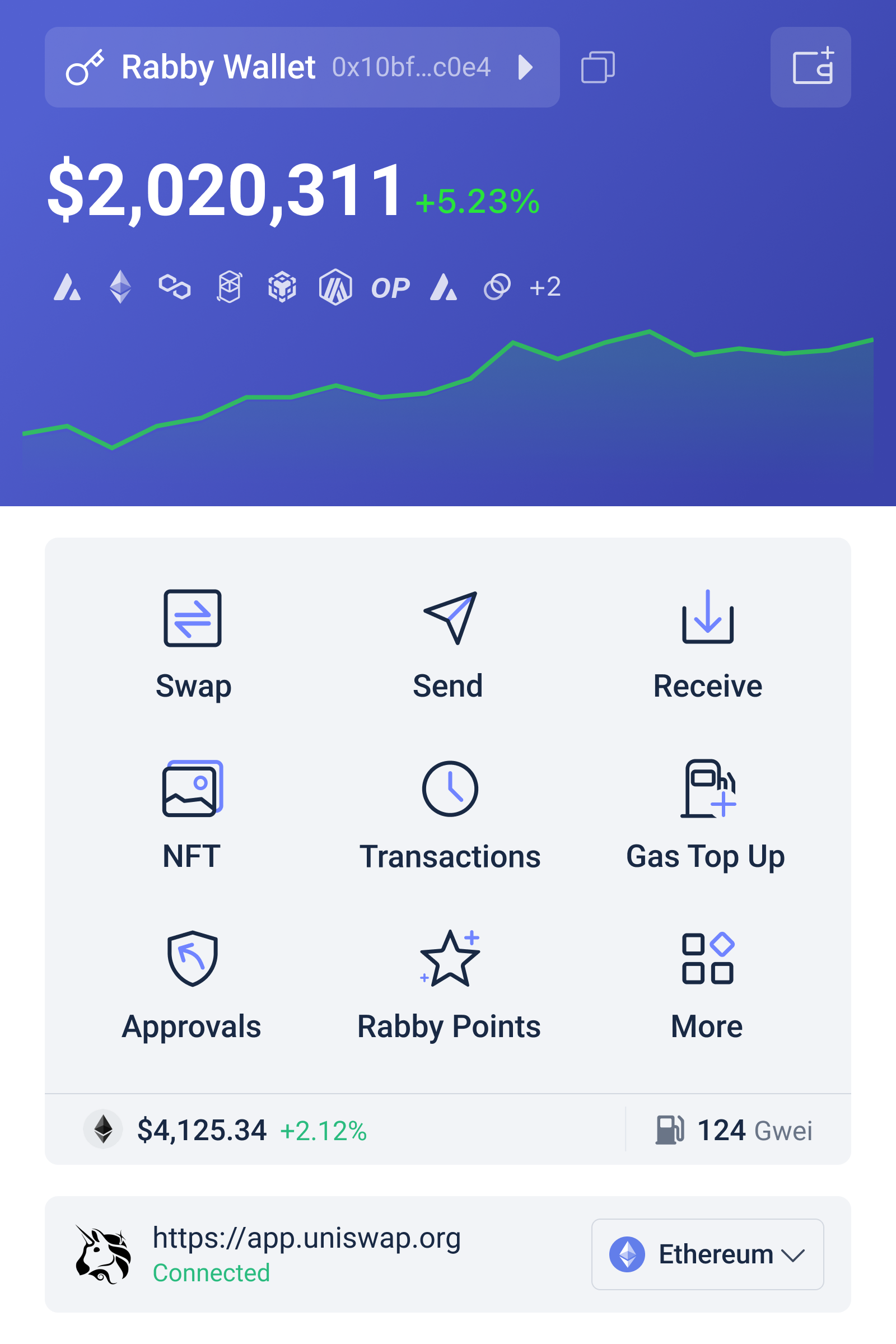
Where wallets matter — beyond just “holding keys”
Wallets are gatekeepers. They translate intent into signed messages that hit the chain. Who signs what matters. If a wallet hides a simulation or lumps multiple actions behind a single click, that’s a risk vector. My bias favors wallets that simulate and preview the exact on-chain state change before asking you to sign. I’m biased, but for good reason.
Check this out—some wallets will show a generic “approve” modal. Others will walk through each low-level call. The latter gives you context. The former is convenient… and dangerous. On more than one occasion, when an app bundled a harmless-looking front-end approval with a back-end token-transfer call, I almost lost funds. I caught it because I always simulate. Actually, wait—let me rephrase that: I had developed a simulation habit because I lost once. That loss made me more rigorous.
That’s the psychological layer: once bitten, you audit differently.
When you evaluate a multi-chain wallet, ask: does it run transaction simulation locally or in a trusted remote environment? Local simulation reduces leakage but needs accurate chain state. Remote simulation can enrich context but introduces privacy and trust trade-offs. On that axis, a good wallet gives you options and shows you the oracle of truth: the raw call data, gas estimates across chains, and where the funds will actually move.
Whoa! The difference shows up on bridges especially. Bridges glue disparate chains together, and they carry compounded risk: smart contract bugs plus cross-chain messaging attacks. I always treat cross-chain swaps as higher risk than on-chain swaps on the same L1 or L2. There’s a higher chance of stuck funds or oracle manipulation.
Transaction simulation: non-negotiable
Here’s what bugs me about many wallet UXes: they tuck simulation away as an “advanced” option. Hmm… that feels backward. Simulation should be a first-class feature. I like wallets that do a dry-run and present a succinct summary: the net balance changes, any approvals required, and named counterparties. If it can show source code links or vulnerability flags for the contracts involved, that’s a huge plus.
Practical tip: before approving, copy the to-address and contract bytecode hash into a block explorer or a scan tool. Cross-reference feed reputations. In my tests, that two-minute check avoided uncertain approvals more than once. Yeah, it’s tedious, but it works.
Another practical move: limit allowances. Use per-transaction or per-contract allowances when possible. Short-lived approvals reduce blast radius if a dApp is compromised. Many modern wallets facilitate “approve for one transaction” or “limited amount” flows. Use them. Seriously?
Security isn’t just cryptography. It’s also operational hygiene. You can have the best seed phrase in the world and still get drained by bad UX.
Multi-chain risks that people underweight
1) Replay and cross-chain oracle inconsistencies. Transactions constructed for one chain might look valid to another, depending on how signatures and nonces are handled. This isn’t common, but it’s real. 2) Mixed trust models. L1s, rollups, and sidechains each have different finality and dispute windows. If your wallet doesn’t present these differences, you might think funds are “safe” while actually exposed to reorgs or delayed withdrawals. 3) Third-party relayers. Meta-transactions and gas abstraction are cool, but they introduce middlemen with power. Know what relayers can do.
On an anecdotal note: I once routed a payment that used a relayer which front-ran the intended recipient—minor headache, but a clear reminder that any added convenience is a potential attack surface. I’m not 100% sure how to fix relayers universally, but awareness helps you choose the right path.
Another thing—UX shortcuts like implicit account switching (oh, and by the way—this happens more than people admit) can expose assets on the wrong chain. You sign thinking you’re on Mainnet when you’re actually on an L2 testnet fork. Small mistakes, big consequences.
Choosing a multi-chain wallet: a mental checklist
Short checklist first. Keep it handy: Does it simulate? Does it show raw calldata? Can it limit approvals? Is there multi-sig or ledger support? Does it give chain-specific finality info? Does it minimize remote trust? If the wallet answers “yes” to most of these, it’s a keeper.
More nuance: what about privacy? Some wallets leak intent to analytics providers. If you’re interacting with sensitive contracts, prefer wallets that simulate locally and broadcast minimal telemetry. Also check recovery options and social-recovery trade-offs (they’re sometimes a net positive, sometimes a social vector).
I’ve spent time with a few advanced wallets. One that kept surprising me in usability was a wallet that combined transaction simulation, clear approval management, and a “what-if” panel that showed cross-chain settlement timelines. It turned a messy swap into a small, informed decision. If you want to try a wallet that emphasizes simulation and multi-chain clarity, check out rabby wallet. I’m not shilling blind—I’ve used it for curated testing and its transaction previews are genuinely useful.
There, I said it. I’m biased, and you should verify for yourself.
Operational playbook for advanced DeFi users
Actionable steps you can adopt right now: 1) Always run a simulation. 2) Use minimum necessary approvals. 3) Verify contract addresses and bytecode hashes. 4) Prefer wallets that show chain-specific settlement info. 5) Use hardware-backed signing for high-value transactions. 6) Segment assets across accounts for different risk profiles. 7) When bridging, test with tiny amounts first.
These are small frictions that save big headaches. Initially they look like slowdowns. Later they’re the difference between shrugging and having to debug a recovery for hours.
Also—do routine audits of the dApps you use. Not full code reviews (unless you can), but check governance histories, audits, and whether the contract has administrative keys. Admin keys are not evil, but they create centralization risk. If a contract can be upgraded by a single key, treat it with healthy skepticism.
Quick Q&A
Q: How often should I simulate transactions?
A: Every time you interact with a contract you haven’t used recently or when approvals change. For recurring, trusted flows, sample simulations periodically to catch changes in contract behavior.
Q: Is multi-sig always the answer for high-value holdings?
A: Multi-sig reduces single points of failure but adds coordination friction. For institutional-sized holdings, yes. For personal use, a hardware wallet plus segregation of funds into cold storage and hot wallets is often pragmatic.
Q: Can wallets really prevent bridge exploits?
A: Wallets can’t stop a flawed bridge contract, but they can raise signals: warn on cross-chain messages, show custodian identities, and enforce pre-transaction checks. Ultimately, you still must evaluate the bridge’s trust and codebase.